若您需要咨询产品或有任何技术问题,请通过官方电话 400 885 9050 或邮箱 info.cn@stemcell.com 与我们联系。

STEMdiff™SMADi神经诱导试剂盒

无血清培养基试剂盒,用于通过高效抑制SMAD信号通路对人胚胎干细胞(ES)和诱导多能干细胞(iPS)进行神经诱导
只有 %1
¥4,470.00

产品号 #(选择产品)

产品号 #08581_C

无血清培养基试剂盒,用于通过高效抑制SMAD信号通路对人胚胎干细胞(ES)和诱导多能干细胞(iPS)进行神经诱导

产品优势

  • 成分明确且无血清
  • 促进 ES 和 iPS 细胞有效转化为 CNS 型 NPC,并抑制非 CNS 细胞类型的不必要的分化
  • 高效诱导难以分化的 ES 和 iPS 细胞系
  • 提高下游分化为神经元和神经胶质细胞的效率
  • 兼容拟胚体法和单层培养两种神经诱导方法
  • 适用于在任何TeSR™系列培养基中维持的细胞系,实现高重复性的分化结果
  • 操作简便,用户友好型实验流程

产品组分包括

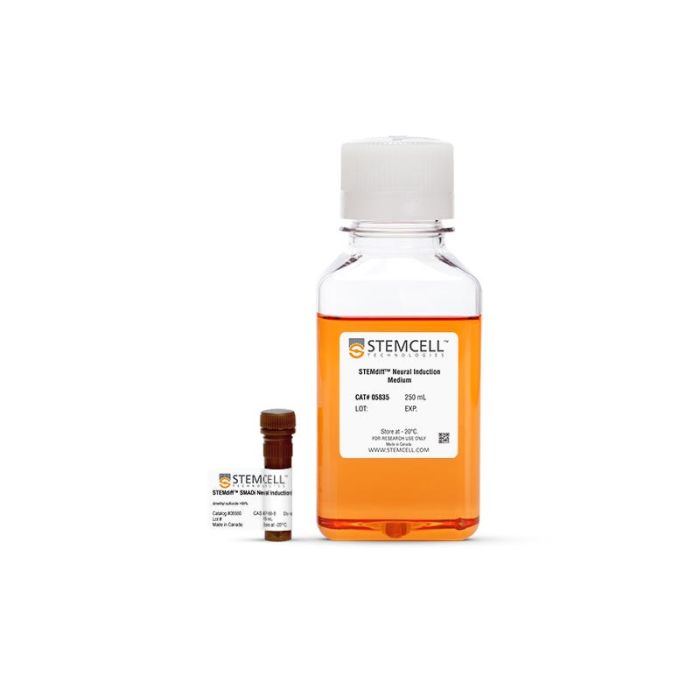
  • STEMdiff™ SMADi 神经诱导试剂盒(产品号 #08581)
    • STEMdiff™ 神经诱导培养基,250 mL
    • STEMdiff™ SMADi 神经诱导补充剂,0.5 mL
  • STEMdiff™ SMADi 神经诱导试剂盒,2 件装(产品号 #08582)
    • STEMdiff™ 神经诱导培养基,2 x 250 mL
    • STEMdiff™ SMADi 神经诱导补充剂,2 x 0.5 mL
Need a high-quality cell source? Use the hiPSC SCTi003-A (female) or SCTi004-A (male) control lines, manufactured with mTeSR™ Plus.

总览

STEMdiff™ SMADi 神经诱导试剂盒包含成分明确的无血清培养基和补充剂,用于高效诱导人胚胎干细胞 (ES) 和诱导多能干细胞 (iPS) 的神经分化。该试剂盒结合了 STEMdiff™ 神经诱导培养基(产品号 #05835)和 STEMdiff™ SMADi 神经诱导补充剂,通过阻断 TGF-β/BMP 依赖的 SMAD 信号通路来诱导分化,即使是难以分化的细胞系也能实现高效的神经诱导。使用 STEMdiff™ SMADi 神经诱导试剂盒,可通过拟胚体方法或单层培养方法生成神经前体细胞(NPC)。所得培养物富含中枢神经系统 (CNS) 型 NPC,这些 NPC 表达 SOX1、Nestin 和 PAX6等标志物。使用此试剂盒生成的神经前体细胞 (NPC) 可以作为单细胞进行传代,并在 STEMdiff™ 神经前体细胞培养基(产品号 #05833)中扩增。NPC 还可以进一步分化为神经元和神经胶质细胞。

欢迎参与我们的按需神经诱导课程,学习如何从人多能干细胞(hPSCs)生成神经前体细胞。您还可以浏览我们关于使用拟胚体法或单层法进行神经诱导的技术小贴士。


分类
专用培养基
 
细胞类型
神经细胞,PSC衍生,多能干细胞
 
应用
分化
 
品牌
STEMdiff
 
研究领域
疾病建模,药物发现和毒理检测,神经科学,干细胞生物学
 
制剂类别
无血清
 

实验数据

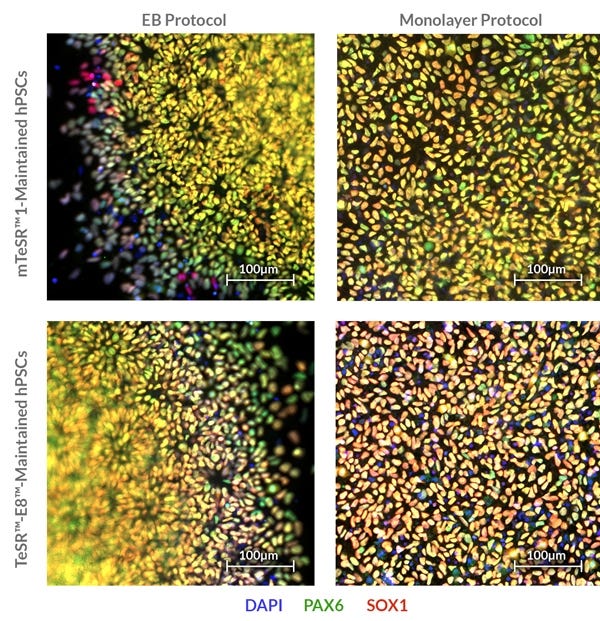
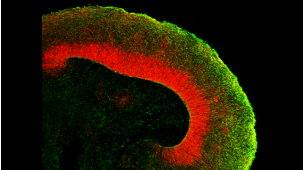
Figure 1. STEMdiff™ SMADi Neural Induction Kit Supports Generation of Neural Progenitor Cells with High Levels of PAX6 and SOX1 Expression.

Neural progenitor cells (NPCs) can be generated from hPSCs cultured in mTeSR™1 or TeSR™-E8™ via embryoid body or monolayer protocol using the STEMdiff™ SMADi Neural Induction Kit. Resulting NPCs express CNS-type NPC markers PAX6 and SOX1.

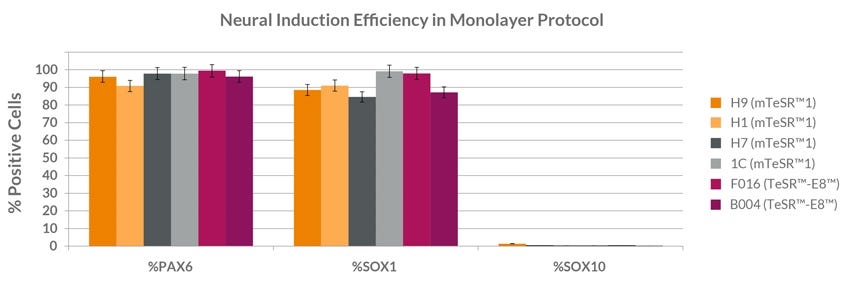
Figure 2. STEMdiff™ SMADi Neural Induction Kit Supports Robust Neural Progenitor Cell Generation Across Multiple hPSC Lines.

Multiple human ES and iPS lines (cultured in mTeSR™1 or TeSR™-E8™) were subjected to the monolayer neural induction protocol. Cells were harvested after 7 days in culture and processed for immunostaining with PAX6, SOX1 and SOX10 antibodies. Cultures were imaged and quantified using the high content imager ImageXpress Micro, which counts positive nuclei across the entirety of the culture well. n=3 replicates per cell line. Data showed that neural progenitor cells produced using the STEMdiff™ SMADi Neural Induction Kit expressed very high levels of CNS-type markers PAX6 and SOX1, while the neural crest marker SOX10 was low to undetectable.

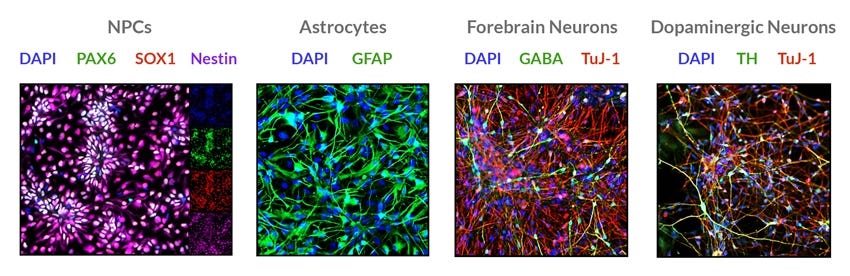
Figure 3. Neural Progenitor Cells Produced Using the Stemdiff™ SMADi Neural Induction Kit Support Highly Efficient Downstream Differentiation Into Neurons and Astrocytes.

Starting hPSCs were maintained in mTeSR™1 and differentiated using an embryoid body (EB) protocol. Resulting cells were differentiated using the STEMdiff™ Neuron Differentiation/Maturation Kits, STEMdiff™ Astrocyte Differentiation/Maturation Kits, and STEMdiff™ Dopaminergic Neuron Differentiation/Maturation Kits as per the respective protocols.

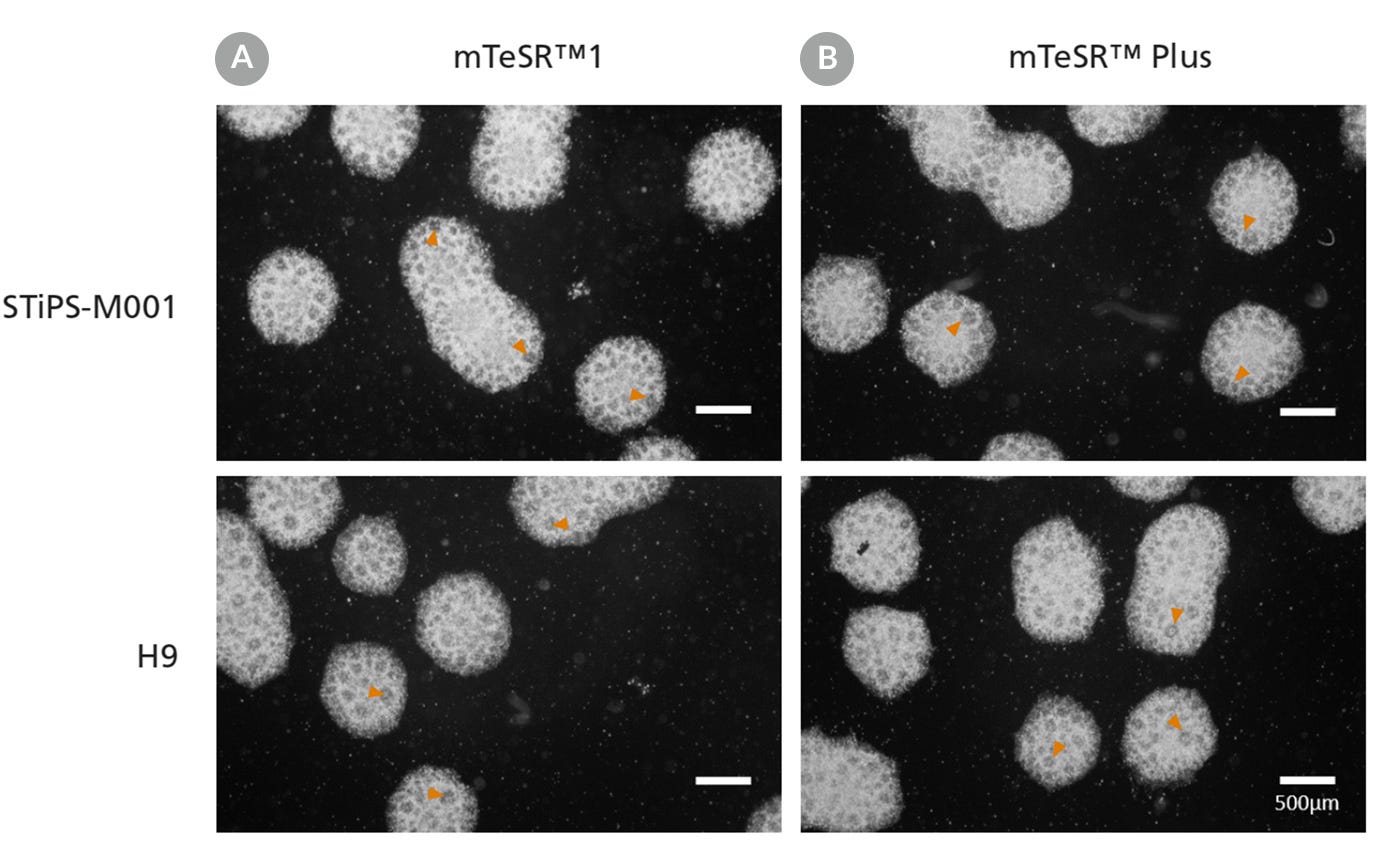
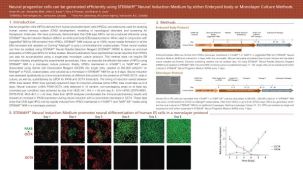
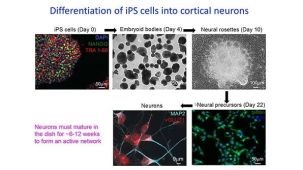
Cell morphology images of neural progenitor cells maintained in mTeSR™1 or mTeSR™ Plus. Arrowheads point to clearly displayed neural rosettes after replating embryoid bodies.

Figure 4. Generation of Neural Progenitor Cells from hPSCs Maintained in mTeSR™ Plus

Human ES (H9) and iPS (STiPS-M001) cells were maintained in (A) mTeSR™1 with daily feeds or (B) mTeSR™ Plus with restricted feeds and differentiated using an embryoid body (EB)-based protocol with STEMdiff™ SMADi Neural Induction Kit. Neural progenitor cells derived from hPSCs maintained in either mTeSR™1 or mTeSR™ Plus clearly display neural rosettes (arrowheads) after replating EBs.

产品说明书及文档

请在《产品说明书》中查找相关支持信息和使用说明,或浏览下方更多实验方案。

Document Type
Product Name
Catalog #
Lot #
Language
Catalog #
08581
Lot #
All
Language
English
Catalog #
08582
Lot #
All
Language
English
Document Type
Technical Manual
Catalog #
08581
Lot #
All
Language
English
Document Type
Safety Data Sheet
Catalog #
08581
Lot #
All
Language
English

应用领域

本产品专为以下研究领域设计,适用于工作流程中的高亮阶段。探索这些工作流程,了解更多我们为各研究领域提供的其他配套产品。

相关材料与文献

技术资料 (33)

文献 (37)

Molecular effect of ethanol during neural differentiation of human embryonic stem cells in vitro. Kim JJ et al. Genomics data 2014 DEC

Abstract

Potential teratogenic effects of alcohol on fetal development have been documented. Especially studies have demonstrated deleterious effect of ethanol exposure on neuronal development in animal models and on the maintenance and differentiation of neuronal precursor cells derived from stem cells. To better understand the molecular effect of alcohol on the process of neural differentiation,we have performed gene expression microarray analysis on human embryonic stem cells being directed to neural rosettes and neural precursor cells in the presence of ethanol treatment. Here we provide detailed experimental methods,analysis and information associated with our data deposited into Gene Expression Omnibus (GEO) under GSE56906. Our data provide scientific insight on potential molecular effects of fetal alcohol exposure on neural differentiation of early embryo development.
Multisystemic Disease Modeling of Liver-Derived Protein Folding Disorders Using Induced Pluripotent Stem Cells (iPSCs). Leung A and Murphy GJ Methods in molecular biology (Clifton,N.J.) 2016 JAN

Abstract

Familial transthyretin amyloidosis (ATTR) is an autosomal dominant protein-folding disorder caused by over 100 distinct mutations in the transthyretin (TTR) gene. In ATTR,protein secreted from the liver aggregates and forms fibrils in target organs,chiefly the heart and peripheral nervous system,highlighting the need for a model capable of recapitulating the multisystem complexity of this clinically variable disease. Here,we describe detailed methodologies for the directed differentiation of protein folding disease-specific iPSCs into hepatocytes that produce mutant protein,and neural-lineage cells often targeted in disease. Methodologies are also described for the construction of multisystem models and drug screening using iPSCs.
Generation of GFAP::GFP astrocyte reporter lines from human adult fibroblast-derived iPS cells using zinc-finger nuclease technology. Zhang P-WW et al. Glia 2016 JAN

Abstract

Astrocytes are instrumental to major brain functions,including metabolic support,extracellular ion regulation,the shaping of excitatory signaling events and maintenance of synaptic glutamate homeostasis. Astrocyte dysfunction contributes to numerous developmental,psychiatric and neurodegenerative disorders. The generation of adult human fibroblast-derived induced pluripotent stem cells (iPSCs) has provided novel opportunities to study mechanisms of astrocyte dysfunction in human-derived cells. To overcome the difficulties of cell type heterogeneity during the differentiation process from iPSCs to astroglial cells (iPS astrocytes),we generated homogenous populations of iPS astrocytes using zinc-finger nuclease (ZFN) technology. Enhanced green fluorescent protein (eGFP) driven by the astrocyte-specific glial fibrillary acidic protein (GFAP) promoter was inserted into the safe harbor adeno-associated virus integration site 1 (AAVS1) locus in disease and control-derived iPSCs. Astrocyte populations were enriched using Fluorescence Activated Cell Sorting (FACS) and after enrichment more than 99% of iPS astrocytes expressed mature astrocyte markers including GFAP,S100$\$,NFIA and ALDH1L1. In addition,mature pure GFP-iPS astrocytes exhibited a well-described functional astrocytic activity in vitro characterized by neuron-dependent regulation of glutamate transporters to regulate extracellular glutamate concentrations. Engraftment of GFP-iPS astrocytes into rat spinal cord grey matter confirmed in vivo cell survival and continued astrocytic maturation. In conclusion,the generation of GFAP::GFP-iPS astrocytes provides a powerful in vitro and in vivo tool for studying astrocyte biology and astrocyte-driven disease pathogenesis and therapy.

更多信息

更多信息
配方 无血清
质量保证:

产品仅供研究使用,不用于针对人或动物的诊断或治疗。 欲获悉更多关于STEMCELL的质控信息,请访问 STEMCELL.CN/COMPLIANCE.
Copyright © 2026 by STEMCELL Technologies. All rights reserved.

在线联系