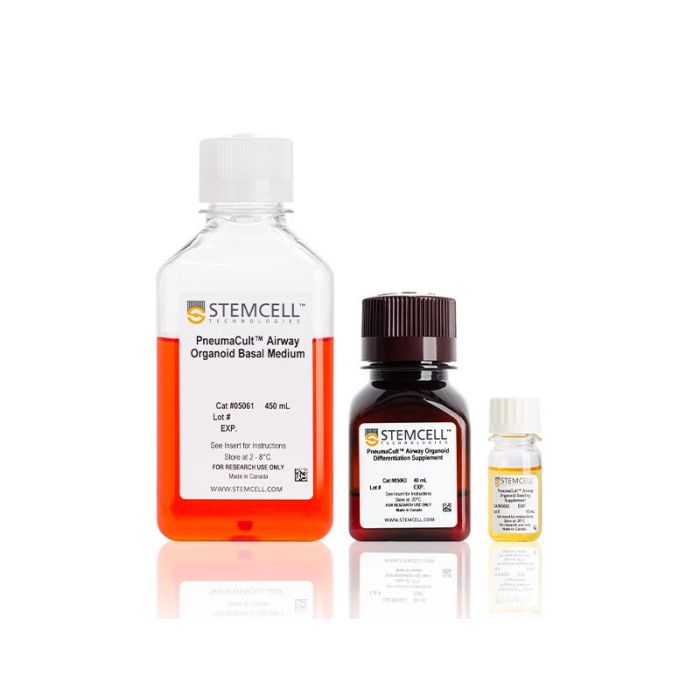
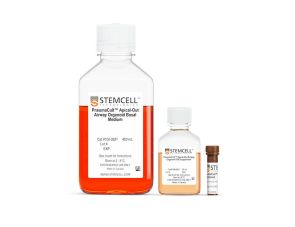
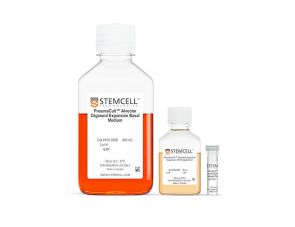
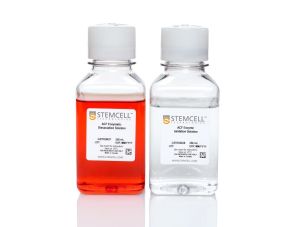
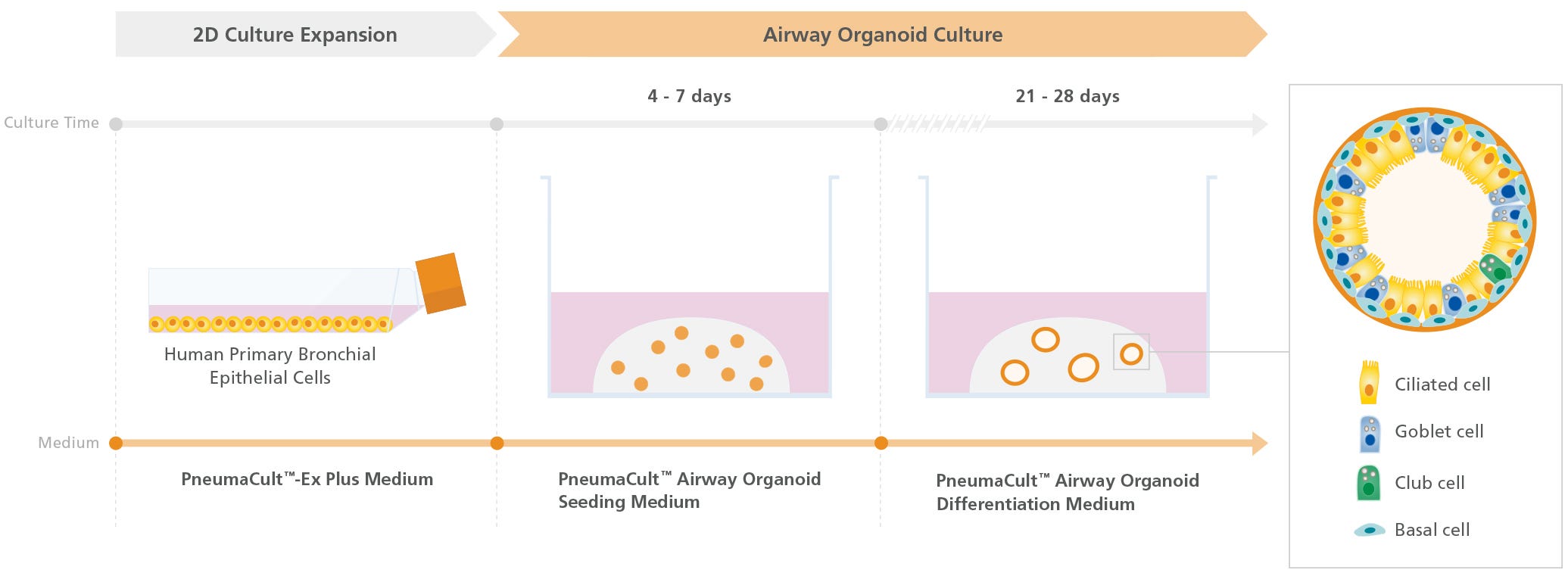
Figure 1. Overview of the PneumaCult™ Culture System for Human Airway Organoid Generation
In the early two-dimensional expansion phase of the human airway organoid culture procedure, HBECs are expanded using PneumaCult™-Ex Plus Medium. The HBECs are then embedded into a Matrigel® dome and expanded for 4 - 7 days using PneumaCult™ Airway Organoid Seeding Medium. Following the expansion, the HBECs are differentiated using PneumaCult™ Airway Organoid Differentiation Medium for an additional 21+ days.
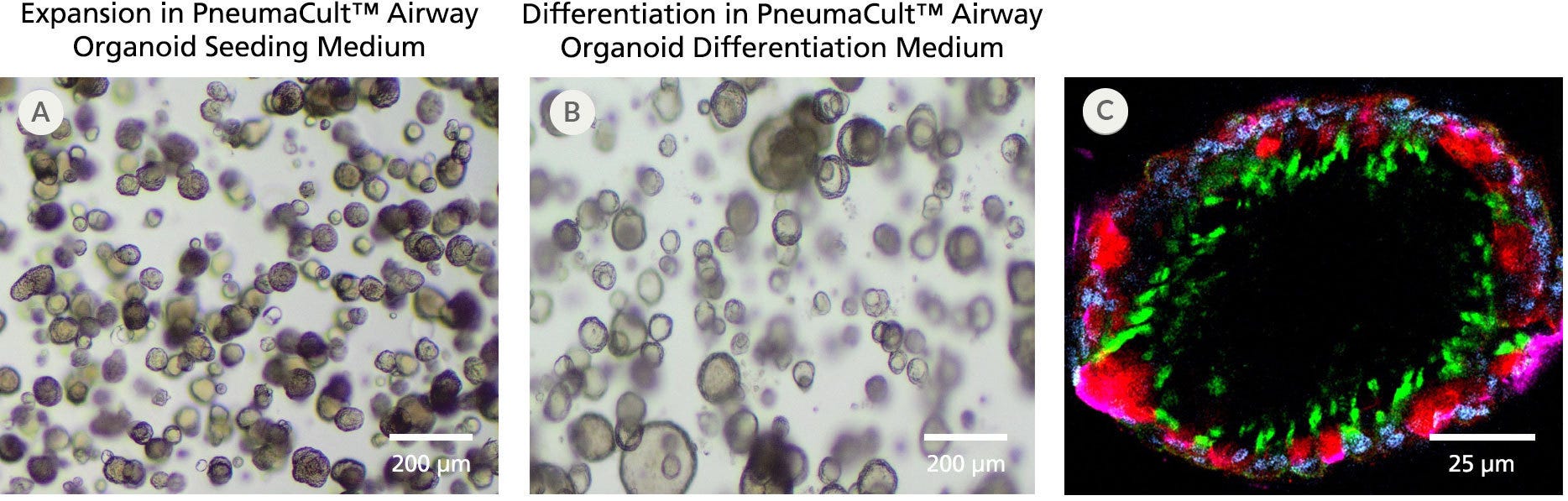
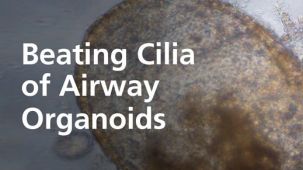
Figure 2. Fully Differentiated Human Airway Organoids Generated Using PneumaCult™ Airway Organoid Kit
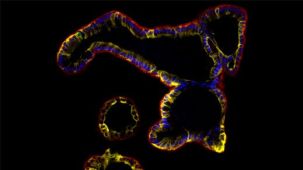
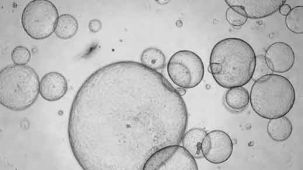
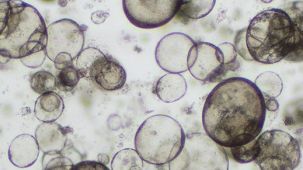
(A) Bright-field image of airway organoids growing in PneumaCult™ Airway Organoid Seeding Medium at day 7 exhibit basal cell spheroid morphology. (B) Bright-field image of airway organoids differentiated in PneumaCult™ Airway Organoid Differentiation Medium at day 21 exhibit hollow lumens. (C) Airway organoid stained for ZO-1 (junction protein marker, red), MUC5AC (goblet cell marker, purple), AC-Tubulin (ciliated cell marker, green), and DAPI (nuclei, blue).
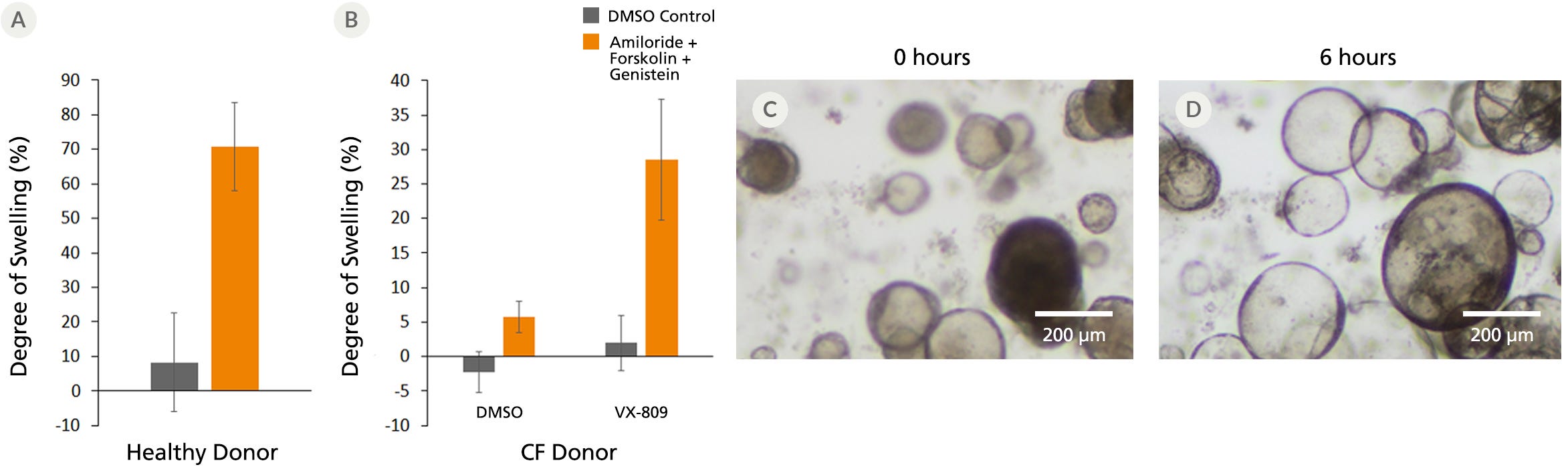
Figure 3. Forskolin-Induced Swelling of Airway Organoids
(A) Forskolin-treated organoids derived from healthy donors increased in size compared to the DMSO control, indicating functional CFTR protein expression. (B) Forskolin-induced swelling is lost in organoids derived from CF donors, but re-established in VX-809-treated airway organoids. Error bars represent ± 95% confidence interval for the mean (n=3). Bright-field images of airway organoids taken during the Forskolin swelling assay at (C) 0 hours and (D) 6 hours show organoid swelling after treatment.
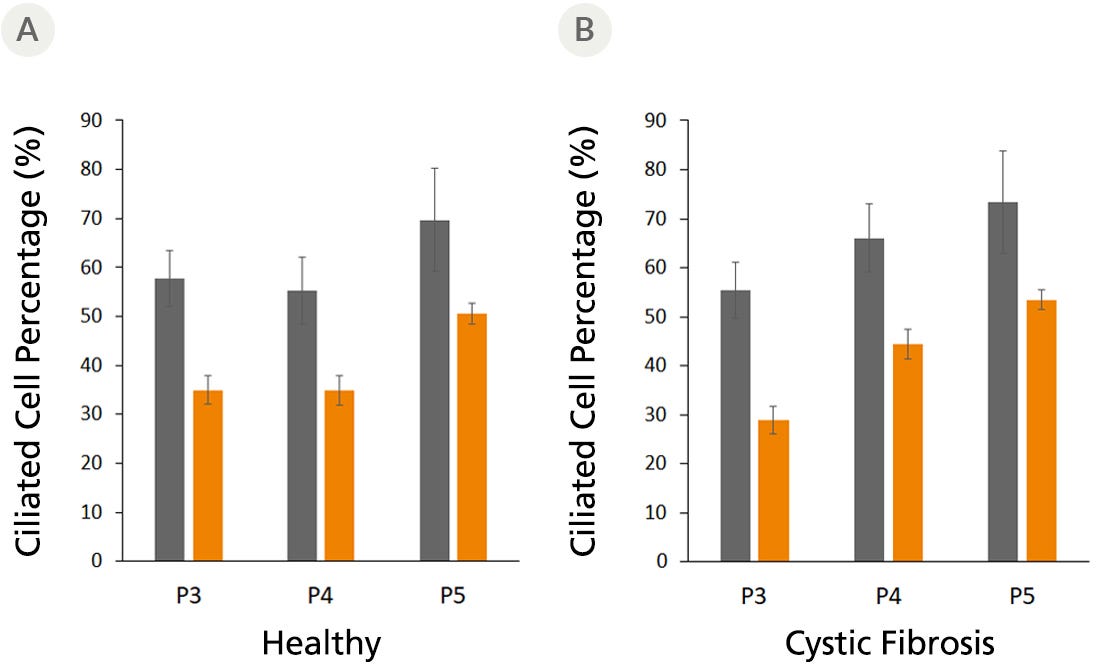
Figure 4. Fully Differentiated Airway Organoids Retain Morphological Characteristics at Different Passages
The ciliated cell percentage in organoids grown from (A) healthy and (B) CF donors using PneumaCult™ Airway Organoid Kit increased from P3 to P5. The total and ciliated cells were counted using a hemocytometer. Error bars represent ± 95% confidence interval for the mean (n=3).
The CXCL8/MAPK/hnRNP-K axis enables susceptibility to infection by EV-D68, rhinovirus, and influenza virus in vitro Q. Yang et al.
Nature Communications 2025 Feb
Abstract
Respiratory viruses pose an ongoing threat to human health with excessive cytokine secretion contributing to severe illness and mortality. However,the relationship between cytokine secretion and viral infection remains poorly understood. Here we elucidate the role of CXCL8 as an early response gene to EV-D68 infection. Silencing CXCL8 or its receptors,CXCR1/2,impedes EV-D68 replication in vitro. Upon recognition of CXCL8 by CXCR1/2,the MAPK pathway is activated,facilitating the translocation of nuclear hnRNP-K to the cytoplasm. This translocation increases the recognition of viral RNA by hnRNP-K in the cytoplasm,promoting the function of the 5′ untranslated region in the viral genome. Moreover,our investigations also reveal the importance of the CXCL8 signaling pathway in the replication of both influenza virus and rhinovirus. In summary,our findings hint that these viruses exploit the CXCL8/MAPK/hnRNP-K axis to enhance viral replication in respiratory cells in vitro. Subject terms: Virus-host interactions,Chemokines,Antimicrobial responses,Viral host response
CFTR Modulator Response in Nasal Organoids Derived from People with Cystic Fibrosis S. L. Cicero et al.
Cells 2025 Dec
Abstract
Despite the progressive extension of CFTR variant eligibility to the triple combination of elexacaftor/tezacaftor/ivacaftor (ETI),most rare CFTR pathogenic variants remain ineligible for CFTR modulators. It is crucial to determine whether unexplored variants are rescuable by clinical modulators and to identify innovative therapeutic strategies for rescuing non-responder variants. The approach known as “theratyping” (in vitro testing of genotypes) has been accepted by the Food and Drug Administration (FDA) for the extension of clinical modulators’ approval for in vitro responding genotypes. We used one of the most advanced models for theratyping: organoids derived from nasal epithelia of people with cystic fibrosis (pwCF). We optimized the forskolin-induced swelling (FIS) of organoids to assess CFTR basal or modulator-restored function. Nasal organoids mimicked the original epithelial tissue,CFTR residual activity,and modulator response. We set up the FIS assay using nasal organoids with reference genotypes and theratyped 38 rare (non-F508del) CFTR genotypes,either eligible or non-eligible for FDA approval,for treatment with ETI or ivacaftor. We found strong correspondence between the in vitro response of CFTR variants to modulators and their FDA approval status. Additionally,some previously uncharacterized CFTR variants have proven responsive to clinical modulators,with significant therapeutic implications. These results suggest that the nasal organoid FIS assay,pending confirmation of the prediction in the corresponding pwCF,might be considered as a powerful in vitro tool to predict modulator efficacy in each pwCF,guiding out-of-label prescription in CF,and to identify uncharacterized variants responsive to modulators. This approach may allow comparison of the efficacy of different therapeutics or the identification of innovative strategies for non-responding genotypes,improving personalized therapy and quality of life for pwCF.
Thank you for your interest in IntestiCult™ Organoid Growth Medium (Human). Please provide us with your contact information and your local representative will contact you with a customized quote. Where appropriate, they
can also assist you with a(n):
Estimated delivery time for your area
Product sample or exclusive offer
In-lab demonstration
By submitting this form, you are providing your consent to STEMCELL Technologies Canada Inc. and its subsidiaries and affiliates (“STEMCELL”) to collect and use your information, and send you newsletters and emails in accordance with our
privacy policy. Please contact us with any questions that you may have. You can unsubscribe or change your email preferences at any time.
This product was developed under a license to intellectual property owned by Hubrecht Organoid Technology (HUB). This product is sold for research use only. Purchase of this product does not include the right to use it for drug screening aiming for commercial gain, equipment validation, biobanking, or for other commercial purposes. Purchasers wishing to use the product for purposes other than basic research use should contact HUB at www.huborganoids.nl to obtain a further license. Purchasers may apply for a License from HUB, which will not be unreasonably withheld by HUB. 质量保证: