若您需要咨询产品或有任何技术问题,请通过官方电话 400 885 9050 或邮箱 info.cn@stemcell.com 与我们联系。

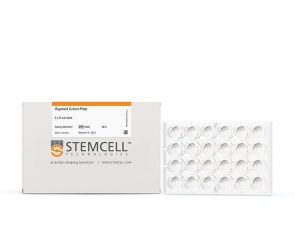
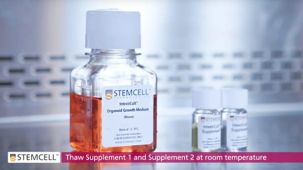
IntestiCult™ 类器官生长培养基 (小鼠)

用于建立和维持小鼠肠道类器官的培养基
只有 %1
¥5,204.00

产品号 #(选择产品)

产品号 #06005_C

用于建立和维持小鼠肠道类器官的培养基

产品优势

  • 简便的体外系统,可重现成年肠上皮的特征与结构,包括细胞内及细胞间的信号传导、自我维持的干细胞微环境以及腔道内外物质的功能性转运;
  • 无血清、成分明确的培养基配方,确保实验结果的一致性;
  • 一周内即可生成肠道类器官;
  • 形式简单和易于操作的实验方案

产品组分包括

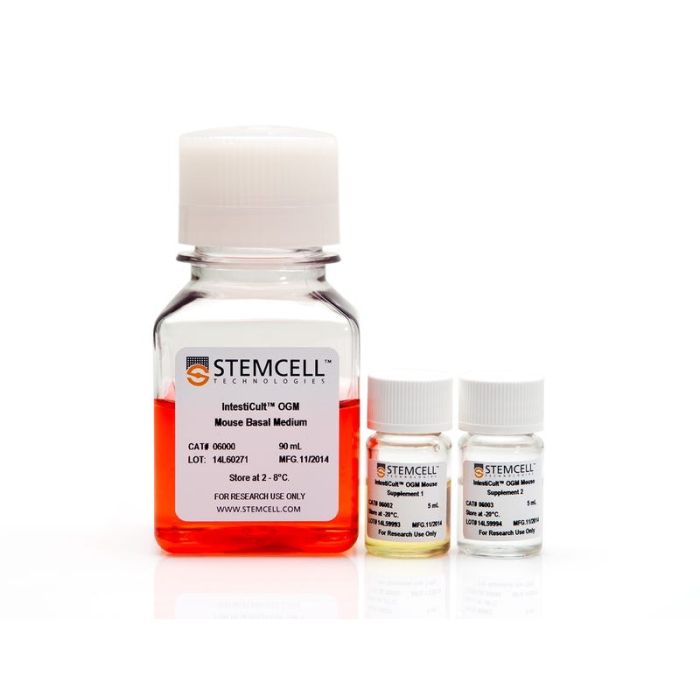
  • IntestiCult™ 类器官生长基础培养基(小鼠),90 mL;
  • IntestiCult™ 类器官生长补充剂1(小鼠),5 mL;
  • IntestiCult™ 类器官生长补充剂2(小鼠), 5 mL
Interested in trying STEMCELL’s organoid products for your intestinal research? Fill out the form to request information about introductory offers.
专为您的实验方案打造的产品
要查看实验方案所需的所有配套产品,请参阅《实验方案与技术文档》

总览

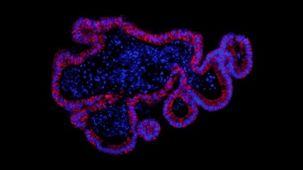
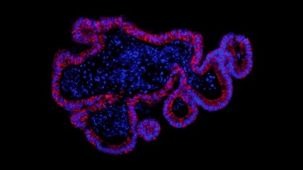
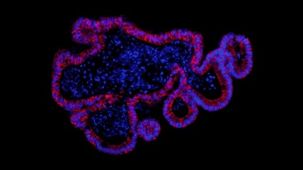
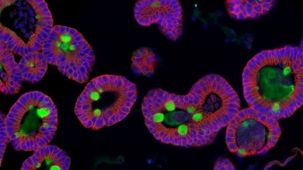
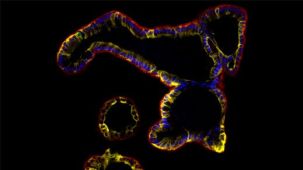
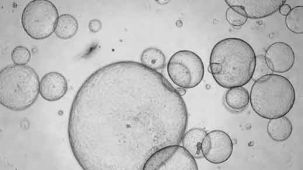
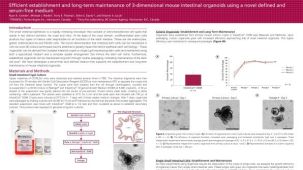
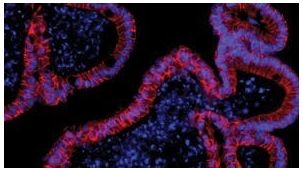
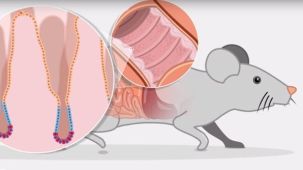
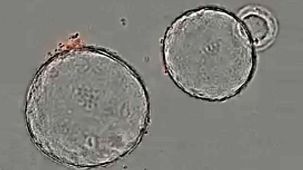
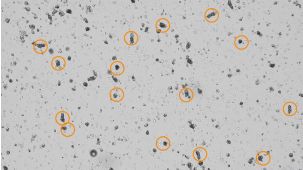
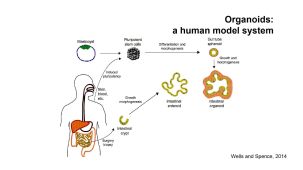
IntestiCult™类器官生长培养基(小鼠)是一种成分明确的无血清细胞培养基,用于高效建立和长期维持培养小鼠肠道类器官。这些类器官,或称“迷你肠道”,为研究小肠和大肠上皮及相关的干细胞动力学提供了一个方便的体外器官型培养系统。在IntestiCult™中生长的类器官具有极性的上皮,包含所有已知的成年肠道上皮细胞类型。每个独立的肠隐窝在IntestiCult™类器官生长培养基(小鼠)中培养时可快速形成类器官。这些类器官的应用包括研究正常和肿瘤肠道上皮的发育和功能、构建肠道疾病模型以及研究干细胞特性和再生疗法。类器官培养使得在体外方便地表征与成年肠道高度生理相关的体系成为可能。

如果您打算将本产品用于商业目的,请通过www.huborganoids.nl与HUB联系,以获取商业用途许可或HUB许可相关的说明。


分类
专用培养基
 
细胞类型
肠道细胞
 
种属
小鼠
 
应用
细胞培养,分化,扩增,培养,类器官培养
 
品牌
IntestiCult
 
研究领域
癌症,疾病建模,药物发现和毒理检测,上皮细胞研究,干细胞生物学
 
制剂类别
无血清
 

产品说明书及文档

请在《产品说明书》中查找相关支持信息和使用说明,或浏览下方更多实验方案。

Document Type
Product Name
Catalog #
Lot #
Language
Catalog #
06005
Lot #
All
Language
English
Document Type
Safety Data Sheet 1
Catalog #
06005
Lot #
All
Language
English
Document Type
Safety Data Sheet 2
Catalog #
06005
Lot #
All
Language
English
Document Type
Safety Data Sheet 3
Catalog #
06005
Lot #
All
Language
English

应用领域

本产品专为以下研究领域设计,适用于工作流程中的高亮阶段。探索这些工作流程,了解更多我们为各研究领域提供的其他配套产品。

相关材料与文献

技术资料 (39)

文献 (112)

Identification of Prognostically Relevant Chromosomal Abnormalities in Routine Diagnostics of Multiple Myeloma Using Genomic Profiling. E. Kjeldsen Cancer genomics {\&} proteomics 2016

Abstract

BACKGROUND The combination of serum $\beta$2-microglubulin and albumin levels is highly prognostic in multiple myeloma (MM),defined as the International Staging System (ISS). Recurrent genomic abnormalities present in myeloma cells also have a strong prognostic power. This study aimed to assess,in a routine diagnostic setting,whether genomic aberrations can be used to identify sub-groups in ISS staging,as this system does not incorporate intrinsic myeloma cell variability at the molecular level. MATERIALS AND METHODS A prospective population-based study of 123 patients newly diagnosed with MM with ISS staging were included for karyotyping,interphase nuclei fluorescence in situ hybridization (iFISH) and oligo-based array comparative genomic hybridization (oaCGH) analyses. RESULTS Clonal abnormalities were identified in 27{\%} of analyses by karyotyping,in 83{\%} by iFISH,and in 99{\%} by oaCGH analysis. ISS staging combined with oaCGH aberrations identified ISS sub-groups. CONCLUSION oaCGH analysis is a valuable asset in detecting prognostically relevant genomic abnormalities. The combination of oaCGH data with ISS staging might help define new sub-groups in MM.
Olfactomedin 4 deletion induces colon adenocarcinoma in Apc(Min/+) mice. Liu W et al. Oncogene 2016 OCT

Abstract

Colon carcinogenesis is a multiple-step process involving the accumulation of a series of genetic and epigenetic alterations. The most commonly initiating event of intestinal carcinogenesis is mutation of the adenomatous polyposis coli (APC) gene,which leads to activation of the Wnt/β-catenin pathway. Olfactomedin 4 (OLFM4) has emerged as an intestinal stem-cell marker,but its biological function in the intestine remains to be determined. Here we show that Olfm4 deletion induced colon adenocarcinoma in the distal colon of Apc(Min/+) mice. Mechanistically,we found that OLFM4 is a target gene of the Wnt/β-catenin pathway and can downregulate β-catenin signaling by competing with Wnt ligands for binding to Frizzled receptors,as well as by inhibition of the Akt-GSK-3β (Akt-glycogen synthase kinase-3β) pathway. We have shown that both Wnt and nuclear factor-κB (NF-κB) signaling were boosted in tumor tissues of Apc Olfm4 double-mutant mice. These data establish OLFM4 as a critical negative regulator of the Wnt/β-catenin and NF-κB pathways that inhibits colon-cancer development initiated by APC mutation. In addition,Olfm4 deletion significantly enhanced intestinal-crypt proliferation and inflammation induced by azoxymethane/dextran sodium sulfate. Thus,OLFM4 has an important role in the regulation of intestinal inflammation and tumorigenesis,and could be a potential therapeutic target for intestinal malignant tumors. Unlike the human colonic epithelium,the mouse colonic epithelium does not express OLFM4,but nevertheless,systemic OLFM4 deletion promotes colon tumorigenesis and that loss from mucosal neutrophils may have a role to play.
Endoplasmic reticulum stress and IRE-1 signaling cause apoptosis in colon cancer cells in response to andrographolide treatment Banerjee A et al. Oncotarget 2016 JUL

Abstract

Not provided.

更多信息

更多信息
物种 小鼠
配方 无血清

法律声明:

This product was developed under a license to intellectual property owned by Hubrecht Organoid Technology (HUB). This product is sold for research use only. Purchase of this product does not include the right to use it for drug screening aiming for commercial gain, equipment validation, biobanking, or for other commercial purposes. Purchasers wishing to use the product for purposes other than basic research use should contact HUB at www.huborganoids.nl to obtain a further license. Purchasers may apply for a License from HUB, which will not be unreasonably withheld by HUB.

质量声明:

产品仅供研究使用,不用于针对人或动物的诊断或治疗。 欲获悉更多关于STEMCELL的质控信息,请访问 STEMCELL.CN/COMPLIANCE.

Copyright © 2026 by STEMCELL Technologies. All rights reserved.

在线联系