若您需要咨询产品或有任何技术问题,请通过官方电话 400 885 9050 或邮箱 info.cn@stemcell.com 与我们联系。

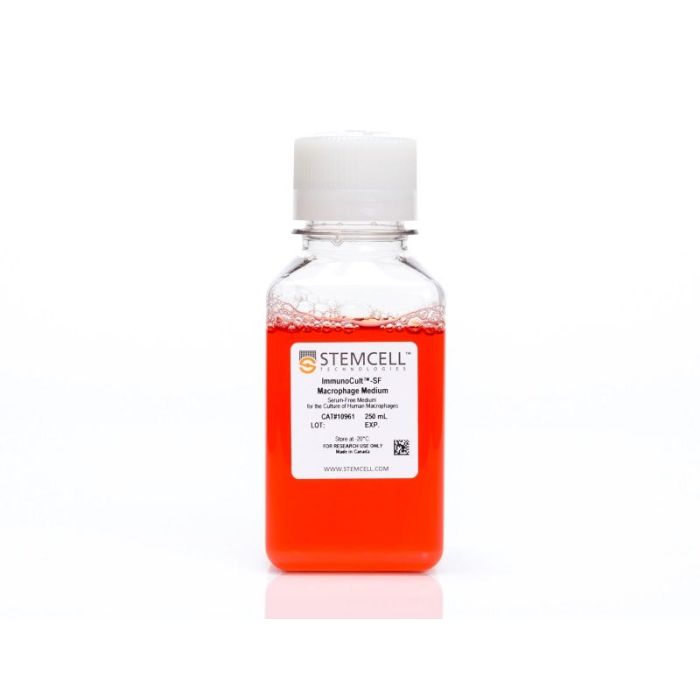
ImmunoCult™ -SF人巨噬细胞培养基

人单核细胞向巨噬细胞分化的无血清培养基
只有 %1
¥3,186.00

产品号 #(选择产品)

产品号 #10961_C

人单核细胞向巨噬细胞分化的无血清培养基

产品优势

  • 无血清培养基,无需额外补充血清
  • 支持稳定的巨噬细胞分化
  • 高产量得到巨噬细胞,具有理想的表型和功能
  • 在6天后即可收集M1或M2巨噬细胞

总览

ImmunoCult™-SF巨噬细胞培养基用于搭配适当的细胞因子和刺激剂进行人单核细胞体外培养和向巨噬细胞分化。Immunocult™-SF巨噬细胞培养基中不包含巨噬细胞分化和活化因子,以便用户灵活地制备满足其要求的完全培养基。该培养基是一种专门的无血清培养基,可用于在6或8天周期的人单核细胞向M1(经典活化)和M2a(非传统活化)巨噬细胞分化。

包含
• Iscove’s MDM
• 预检牛血清白蛋白
• 重组人胰岛素
• 人转铁蛋白(铁饱和)
• 2-巯基乙醇
• 添加物
 
分类
专用培养基
 
细胞类型
巨噬细胞,单核细胞
 
种属

 
应用
细胞培养,分化
 
品牌
ImmunoCult
 
研究领域
药物发现和毒性检测,免疫学,传染病
 
制剂类别
无血清
 

实验数据

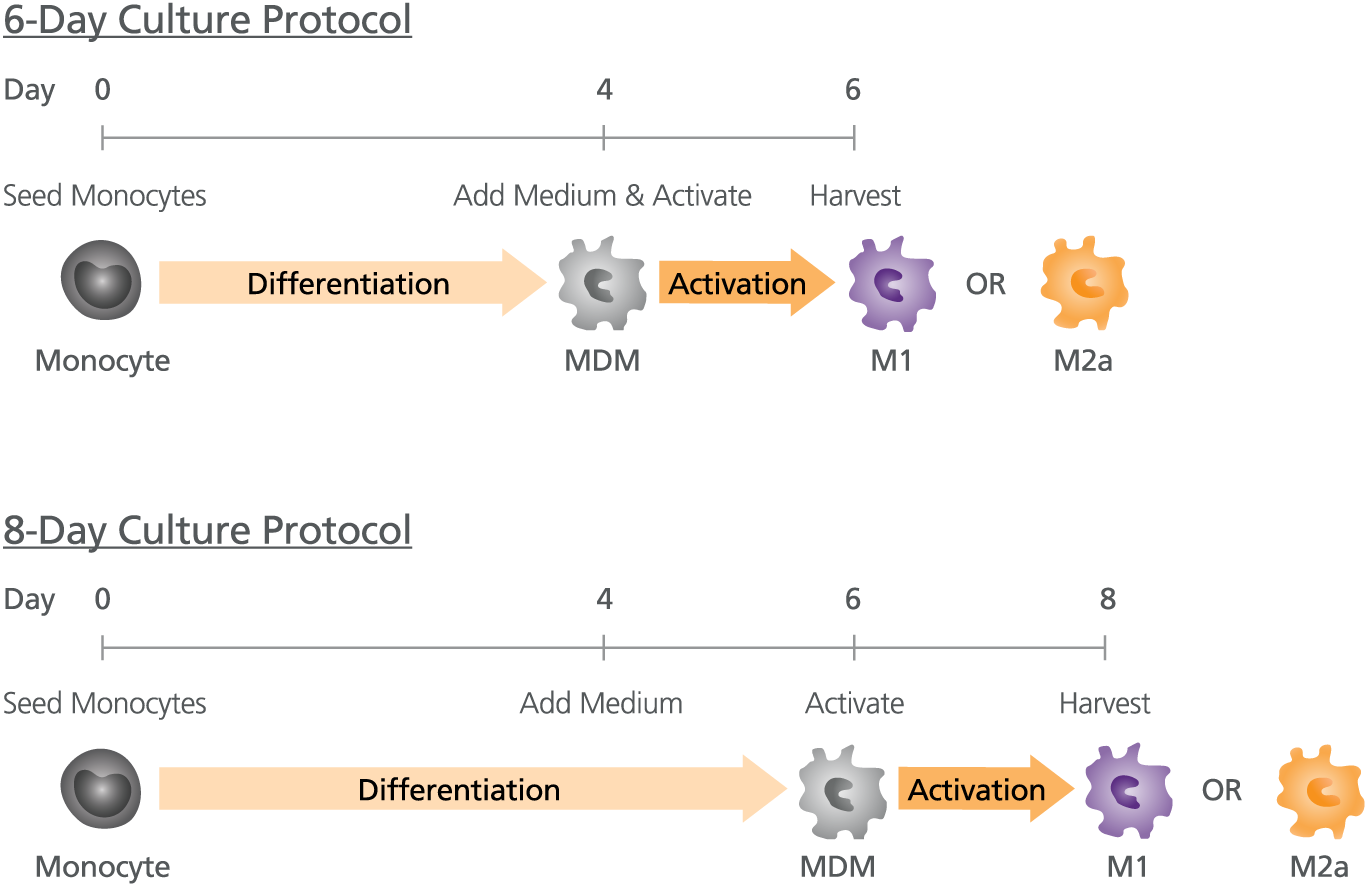
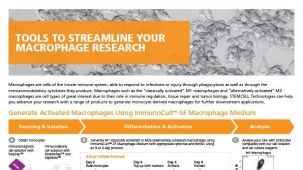
Figure 1. Protocol for the Generation of M1 or M2a Activated Macrophages

Generate monocyte-derived macrophages (MDM) from isolated monocytes by culturing the cells in ImmunoCult™-SF Macrophage Differentiation Medium (ImmunoCult™-SF Macrophage Medium Catalog #10961 with added Human Recombinant M-CSF Catalog #78057). With our 8-day protocol, top-up with fresh ImmunoCult™-SF Macrophage Differentiation Medium on Day-4 and drive specific macrophage activation using appropriate stimuli on Day-6 (IFN-γ+LPS (Catalog #100-1270) for M1 activation and IL-4 for M2a activation). At Day-8 harvest fully mature M1 or M2a macrophages for use in downstream applications. With our 6-day protocol, macrophage activation can be done at the same time as the medium top-up step on Day-4 and harvested on Day-6.

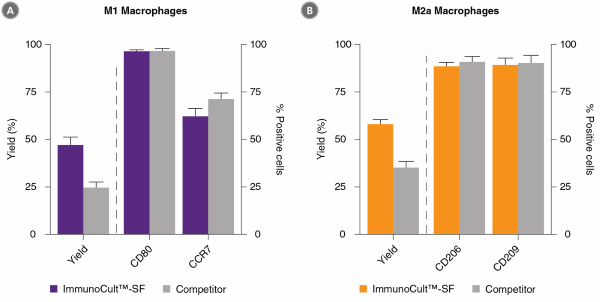
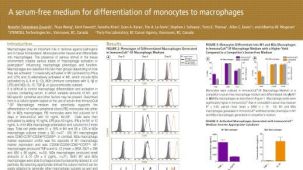
Figure 2. ImmunoCult™-SF Supports Greater M1 and M2a Macrophage Yields Than Competitor’s Serum-Free Medium

Monocytes were cultured in ImmunoCult™-SF Macrophage Medium or a competitor’s serum-free macrophage medium and differentiated into macrophages using an 8-day protocol as shown in Figure 1. At Day-8, macrophages were harvested, counted and analysed by flow cytometry to assess the expression of macrophage markers CD80, CCR7, CD206 and CD209. (A) M1 macrophages were CD80+CCR7+ whereas (B) M2a macrophages showed a CD206+CD209+ phenotype. Macrophage yields are expressed as a percentage of total viable cells at Day 8 relative to the count of initial monocytes at Day 0. Macrophage yields were significantly higher in ImmunoCult™-SF than in Competitor’s serum-free medium (P < 0.05, paired t-test; mean ± SEM; n=18-19).

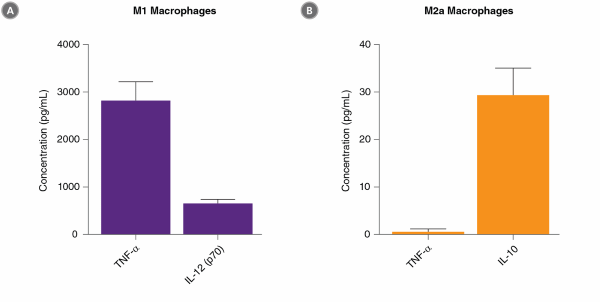
Figure 3. Activated Macrophages Generated with ImmunoCult™-SF Secrete the Appropriate Cytokines

Macrophages were generated with ImmunoCult™SF Macrophage Medium and activated using IFN-γ+LPS (Catalog #100-1270 ; M1) or IL-4 (M2a) in an 8-day protocol. At Day-8, supernatants from M1 and M2a macrophage cultures were collected and the concentrations of TNF-α, IL-12 (p70) and IL-10 were determined by ELISA. (A) M1 macrophages secreted 2821 ± 396 pg/ml TNF-α (n=24) and 656 ± 86 pg/mL IL-12 (p70) (n=25). (B) M2a macrophages produced 29 ± 6 pg/mL IL 10 (n=21) and did not produce TNF-α (below limit of detection, n=20). Data represents the mean ± SEM.

产品说明书及文档

请在《产品说明书》中查找相关支持信息和使用说明,或浏览下方更多实验方案。

Document Type
Product Name
Catalog #
Lot #
Language
Catalog #
10961
Lot #
All
Language
English
Document Type
Safety Data Sheet
Catalog #
10961
Lot #
All
Language
English

应用领域

本产品专为以下研究领域设计,适用于工作流程中的高亮阶段。探索这些工作流程,了解更多我们为各研究领域提供的其他配套产品。

相关材料与文献

技术资料 (11)

文献 (6)

The Vi Capsular Polysaccharide of Salmonella Typhi Promotes Macrophage Phagocytosis by Binding the Human C-Type Lectin DC-SIGN. L. F. Zhang et al. mBio 2022 dec

Abstract

Capsular polysaccharides are common virulence factors of extracellular,but not intracellular bacterial pathogens,due to the antiphagocytic properties of these surface structures. It is therefore paradoxical that Salmonella enterica subspecies enterica serovar Typhi,an intracellular pathogen,synthesizes a virulence-associated (Vi) capsule,which exhibits antiphagocytic properties. Here,we show that the Vi capsular polysaccharide has different functions when S. Typhi interacts with distinct subsets of host phagocytes. The Vi capsular polysaccharide allowed S. Typhi to selectively evade phagocytosis by human neutrophils while promoting human macrophage phagocytosis. A screen of C-type lectin receptors identified human DC-SIGN as the receptor involved in macrophage binding and phagocytosis of capsulated S. Typhi. Consistent with the anti-inflammatory activity of DC-SIGN,purified Vi capsular polysaccharide reduced inflammatory responses in macrophages. These data suggest that binding of the human C-type lectin receptor DC-SIGN by the Vi capsular polysaccharide contributes to the pathogenesis of typhoid fever. IMPORTANCE Salmonella enterica subspecies enterica serovar Typhi is the causative agent of typhoid fever. The recent emergence of S. Typhi strains which are resistant to antibiotic therapy highlights the importance of vaccination in managing typhoid fever. The virulence-associated (Vi) capsular polysaccharide is an effective vaccine against typhoid fever,but the role the capsule plays during pathogenesis remains incompletely understood. Here,we identify the human C-type lectin receptor DC-SIGN as the receptor for the Vi capsular polysaccharide. Binding of capsulated S. Typhi to DC-SIGN resulted in phagocytosis of the pathogen by macrophages and induction of an anti-inflammatory cytokine response. Thus,the interaction of the Vi capsular polysaccharide with human DC-SIGN contributes to the pathogenesis of typhoid fever and should be further investigated in the context of vaccine development.
Interaction of chikungunya virus glycoproteins with macrophage factors controls virion production Z. Yao et al. The EMBO Journal 2024 Sep

Abstract

Despite their role as innate sentinels,macrophages can serve as cellular reservoirs of chikungunya virus (CHIKV),a highly-pathogenic arthropod-borne alphavirus that has caused large outbreaks among human populations. Here,with the use of viral chimeras and evolutionary selection analysis,we define CHIKV glycoproteins E1 and E2 as critical for virion production in THP-1 derived human macrophages. Through proteomic analysis and functional validation,we further identify signal peptidase complex subunit 3 (SPCS3) and eukaryotic translation initiation factor 3 subunit K (eIF3k) as E1-binding host proteins with anti-CHIKV activities. We find that E1 residue V220,which has undergone positive selection,is indispensable for CHIKV production in macrophages,as its mutation attenuates E1 interaction with the host restriction factors SPCS3 and eIF3k. Finally,we show that the antiviral activity of eIF3k is translation-independent,and that CHIKV infection promotes eIF3k translocation from the nucleus to the cytoplasm,where it associates with SPCS3. These functions of CHIKV glycoproteins late in the viral life cycle provide a new example of an intracellular evolutionary arms race with host restriction factors,as well as potential targets for therapeutic intervention.
Cell therapy using ex vivo reprogrammed macrophages enhances antitumor immune responses in melanoma Journal of Experimental & Clinical Cancer Research : CR 2024 Sep

Abstract

BackgroundMacrophage-based cell therapies have shown modest success in clinical trials,which can be attributed to their phenotypic plasticity,where transplanted macrophages get reprogrammed towards a pro-tumor phenotype. In most tumor types,including melanoma,the balance between antitumor M1-like and tumor-promoting M2-like macrophages is critical in defining the local immune response with a higher M1/M2 ratio favoring antitumor immunity. Therefore,designing novel strategies to increase the M1/M2 ratio in the TME has high clinical significance and benefits macrophage-based cell therapies.MethodsIn this study,we reprogrammed antitumor and proinflammatory macrophages ex-vivo with HDAC6 inhibitors (HDAC6i). We administered the reprogrammed macrophages intratumorally as an adoptive cell therapy (ACT) in the syngeneic SM1 murine melanoma model and patient-derived xenograft bearing NSG-SGM3 humanized mouse models. We phenotyped the tumor-infiltrated immune cells by flow cytometry and histological analysis of tumor sections for macrophage markers. We performed bulk RNA-seq profiling of murine bone marrow-derived macrophages treated with vehicle or HDAC6i and single-cell RNA-seq profiling of SM1 tumor-infiltrated immune cells to determine the effect of intratumor macrophage ACT on the tumor microenvironment (TME). We further analyzed the single-cell data to identify key cell-cell interactions and trajectory analysis to determine the fate of tumor-associated macrophages post-ACT.ResultsMacrophage ACT resulted in diminished tumor growth in both mouse models. We also demonstrated that HDAC6 inhibition in macrophages suppressed the polarization toward tumor-promoting phenotype by attenuating STAT3-mediated M2 reprogramming. Two weeks post-transplantation,ACT macrophages were viable,and inhibition of HDAC6 rendered intratumor transplanted M1 macrophages resistant to repolarization towards protumor M2 phenotype in-vivo. Further characterization of tumors by flow cytometry,single-cell transcriptomics,and single-cell secretome analyses revealed a significant enrichment of antitumor M1-like macrophages,resulting in increased M1/M2 ratio and infiltration of CD8 effector T-cells. Computational analysis of single-cell RNA-seq data for cell-cell interactions and trajectory analyses indicated activation of monocytes and T-cells in the TME.ConclusionsIn summary,for the first time,we demonstrated the potential of reprogramming macrophages ex-vivo with HDAC6 inhibitors as a viable macrophage cell therapy to treat solid tumors.Supplementary InformationThe online version contains supplementary material available at 10.1186/s13046-024-03182-w.

更多信息

更多信息
物种
Contains • Iscove’s MDM • Pre-tested bovine serum albumin • Recombinant human insulin • Human transferrin (iron-saturated) • 2-Mercaptoethanol • Supplements
配方 无血清
质量保证:

产品仅供研究使用,不用于针对人或动物的诊断或治疗。 欲获悉更多关于STEMCELL的质控信息,请访问 STEMCELL.CN/COMPLIANCE.
Copyright © 2026 by STEMCELL Technologies. All rights reserved.

在线联系