若您需要咨询产品或有任何技术问题,请通过官方电话 400 885 9050 或邮箱 info.cn@stemcell.com 与我们联系。

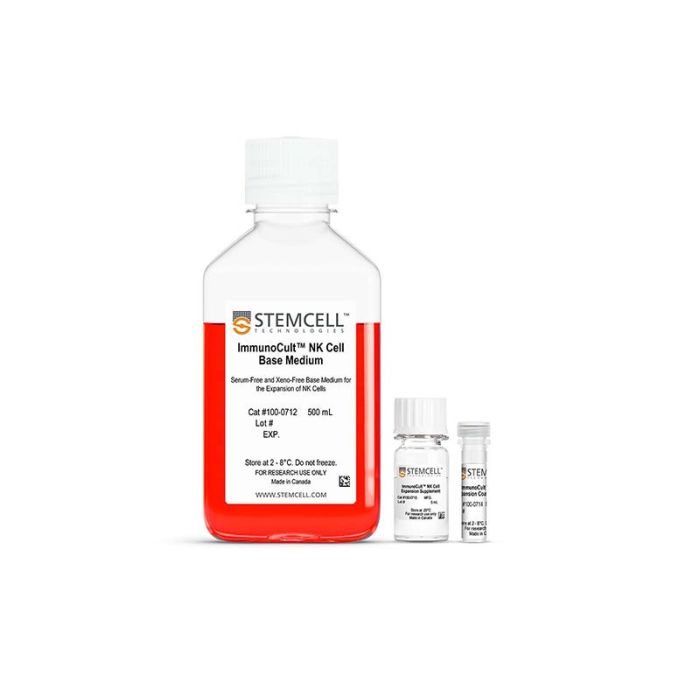
ImmunoCult™ 人NK细胞扩增试剂盒

人NK细胞培养扩增试剂盒
只有 %1
¥1,692.00

产品号 #(选择产品)

产品号 #100-0711_C

人NK细胞培养扩增试剂盒

产品优势

  • 高产量、高纯度,维持NK细胞的稳定扩增
  • 无饲养层细胞、无血清培养条件
  • 扩增后的NK细胞具有细胞杀伤功能

产品组分包括

  • ImmunoCult™NK细胞基础培养基,500 mL(产品号#100-0712)
  • ImmunoCult™NK细胞扩增添加物,5mL(产品号#100-0715)
  • ImmunoCult™NK细胞扩增包被材料,1.5 mL(产品号#100-0714)
专为您的实验方案打造的产品
要查看实验方案所需的所有配套产品,请参阅《实验方案与技术文档》

总览

在无血清条件下持续扩增自然杀伤(NK)细胞,不使用可能带来后续问题的饲养层细胞。

使用ImmunoCult™NK细胞扩增试剂盒,为高倍数扩增NK细胞提供优化的培养条件。该试剂盒包括ImmunoCult™NK细胞基础培养基,ImmunoCult™NK细胞扩增添加物,和ImmunoCult™NK细胞扩增包被材料,为您提供完整且方便操作的培养体系。仅培养14天后,细胞就可以直接用于下游应用。

该试剂盒与我们的许多其他上下游产品兼容。例如,您可以使用EasySep™细胞分选试剂盒分选NK细胞,之后立即使用ImmunoCult™NK细胞扩增试剂盒扩增。


分类
专用培养基
 
细胞类型
NK 细胞
 
种属

 
应用
细胞培养,扩增
 
品牌
ImmunoCult
 
研究领域
癌症,细胞疗法开发,药物发现和毒性检测,免疫学
 
制剂类别
不含动物成分,无血清,无异源
 

实验数据

Protocol for the Expansion of Natural Killer (NK) Cells Using the ImmunoCult™ NK Cell Expansion Kit

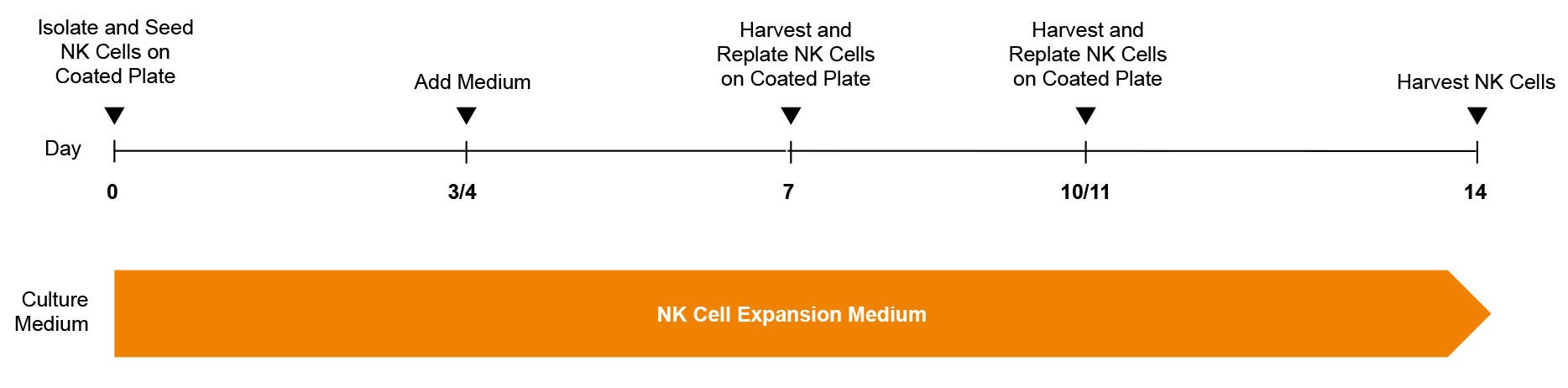
Figure 1. ImmunoCult™ NK Cell Expansion Protocol

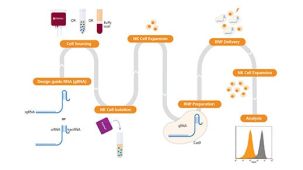
Human natural killer (NK) cells are isolated from blood or leukapheresis using EasySep™ selection. The NK cells are cultured in ImmunoCult™ NK Cell Expansion Medium, on plates coated with ImmunoCult™ NK Cell Expansion Coating Material. After 3 days, fresh medium is added to the culture. On day 7, and again on day 10 or 11, expanding NK cells are harvested and replated on freshly coated plates. Expanded NK cells were harvested on day 14 for use in downstream assays.

Cell Frequency, Fold Expansion, and Phenotyping of Natural Killer (NK) Cells Cultured Using the ImmunoCult™ NK Cell Expansion Kit

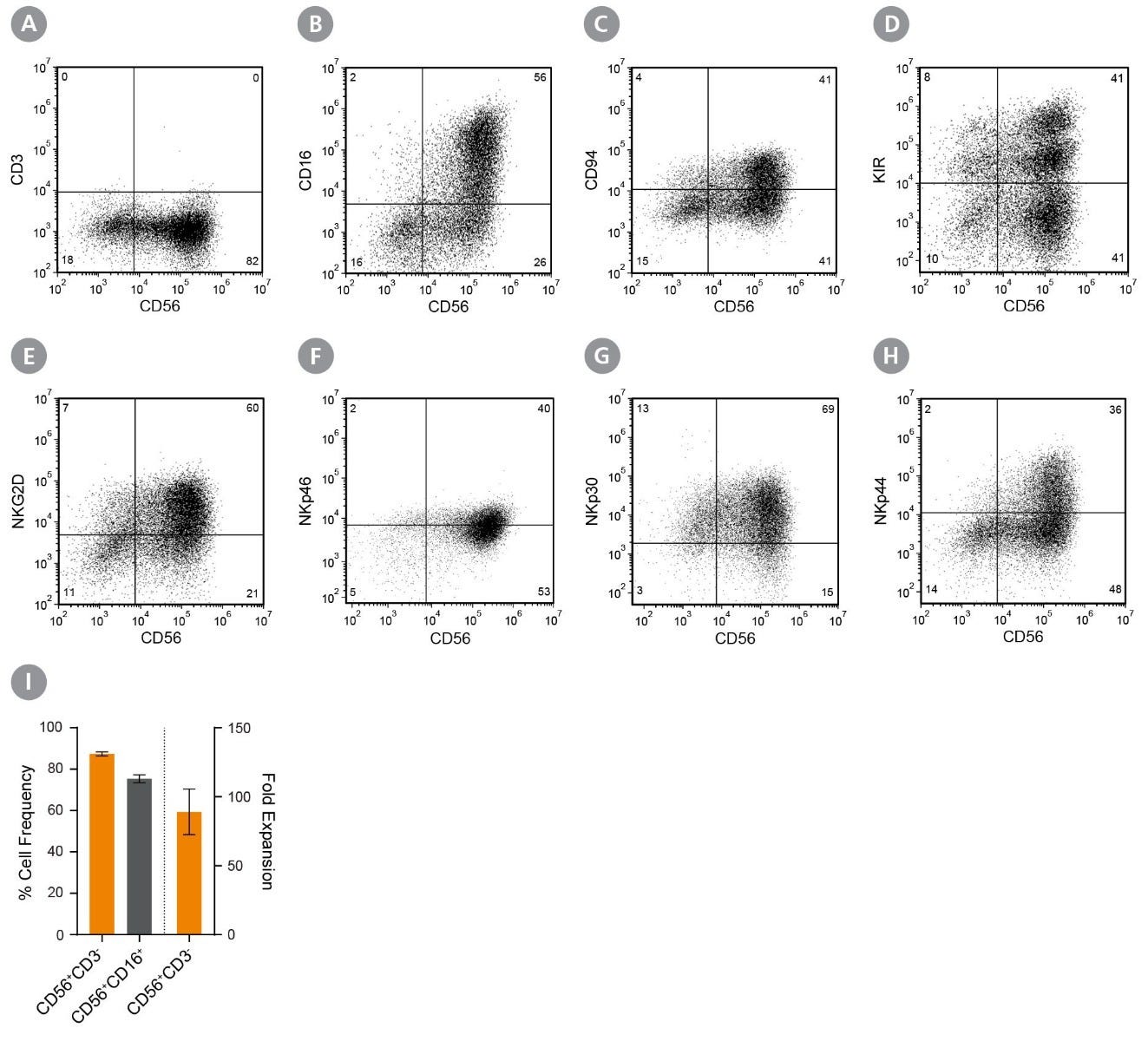
Figure 2. CD56+CD3− NK Cells Expand Over 14 Days in Feeder- and Serum-Free Culture Conditions

Isolated human CD56+CD3− NK cells were cultured using ImmunoCult™ NK Cell Expansion Kit for 14 days (Figure 1). Cells were harvested and analyzed for expression of characteristic NK cells markers, including CD56, CD3, CD16, CD94, KIR, NKG2D, NKp46, NKp30, and NKp44 by flow cytometry. Staining for killer cell immunoglobulin-like receptor (KIR) molecules was performed using two different antibody clones, HP-MA4 and 180704, which recognize distinct KIR molecules. Dead cells were excluded by light-scatter profile and DRAQ7™ staining. (A - H) Representative flow cytometry plots. (I) The average frequencies of viable CD56+CD3− and CD56+CD16+ NK cells on day 14 were 87 ± 1% and 75 ± 2%, respectively. The average fold expansion of CD56+CD3− cells was 89 ± 17. Results shown represent mean ± SEM (n = 34).

Cytotoxicity of Expanded Natural Killer (NK) Cells Co-Cultured with K562 Cells

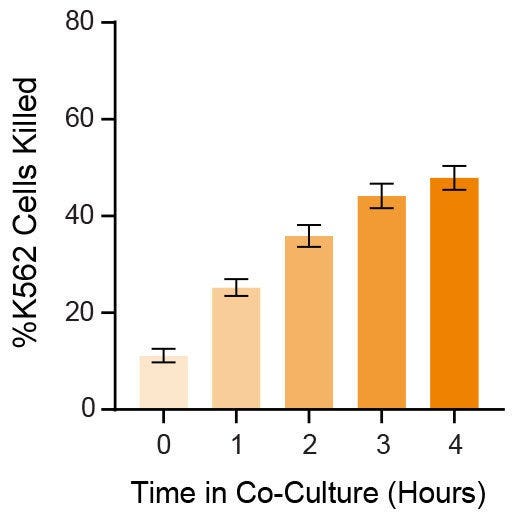
Figure 3. Expanded NK Cells Are Functional, Killing K562 Cells in Co-Culture

Isolated CD56+CD3− NK cells were expanded as described in Figure 1. Expanded NK cells were co-cultured with Incucyte® Cytolight Rapid Dye-labeled K562 cells at 1:1 ratio of NK:K562 cells at 37°C for 4 hours. Incucyte® Caspase-3/7 Dye, a caspase-inducible dye, was added to the co-culture to detect caspase-induced apoptosis of the K562 cells. Images were obtained every hour using the Incucyte® imaging system and then analyzed to determine % killing (# apoptotic K562 cells ÷ # total labeled K562 cells). After 4 hours, an average of 48 ± 2.4% K562 cells were killed (n = 9). Data represent mean ± SEM.

Degranulation and Cytokine Production in Stimulated Natural Killer (NK) Cells Expanded Using the ImmunoCult™ NK Cell Expansion Kit

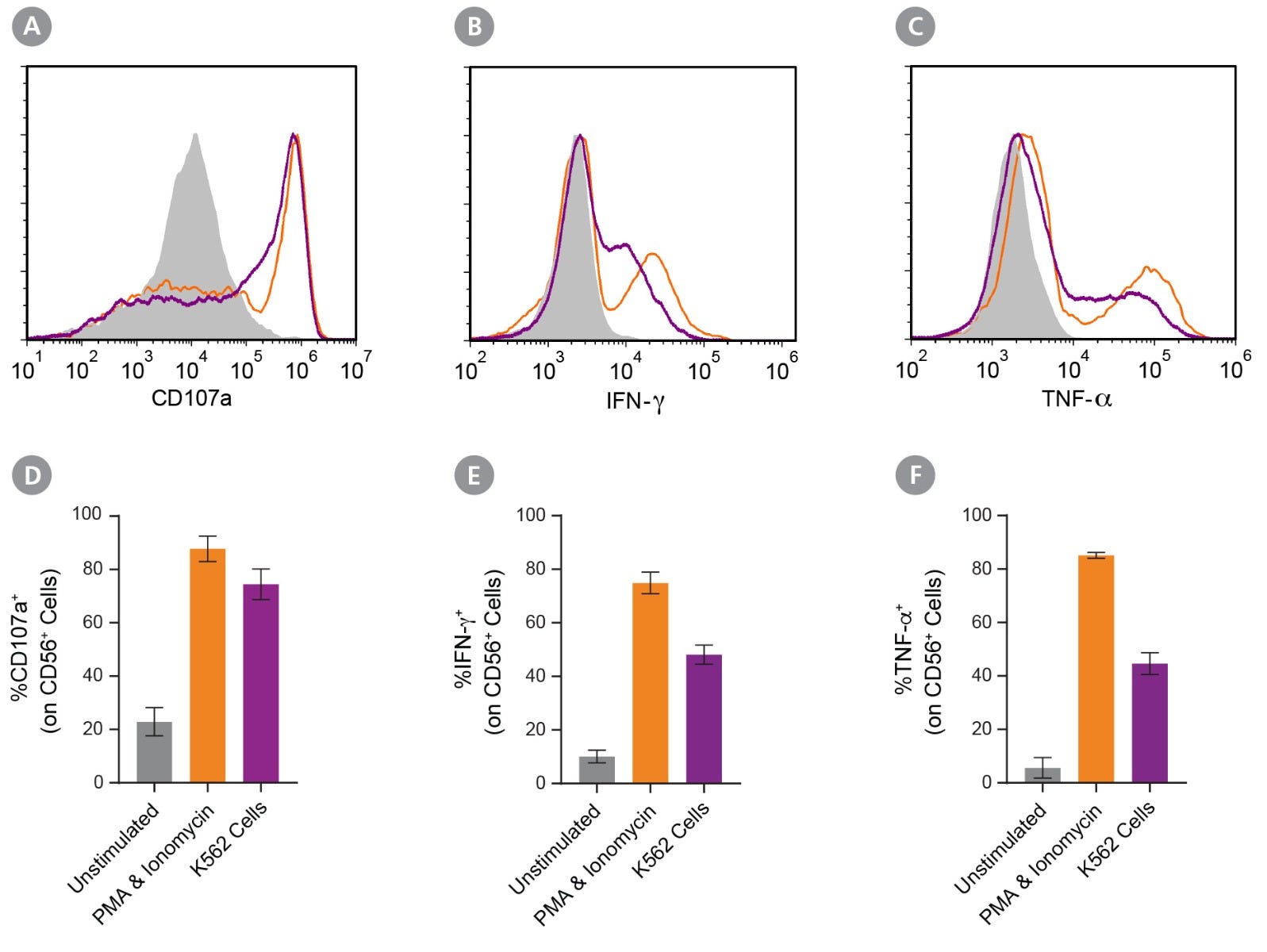
Figure 4. Expanded NK Cells Degranulate and Produce Cytokines After Stimulation

Isolated CD56+CD3− NK cells were expanded for 14 days (Figure 1). Expanded NK cells were left unstimulated (control) or were stimulated with either phorbol 12-myristate 13-acetate (PMA) and ionomycin or K562 cells at a ratio of 1:1 effector:target cells. CD107a antibody was added, and cultures were incubated at 37°C for 4 hours. After the first hour, Monensin and Brefeldin A were added. Cells were assessed for surface CD56, CD107a, and intracellular IFN-γ and TNF-α expression by flow cytometry. (A-C) Representative histograms of CD107a, IFN-γ, and TNF-α expression of unstimulated (grey filled), PMA and ionomycin-stimulated (orange), and K562-stimulated (purple) NK cell samples. (D) The average frequency of NK cells expressing surface CD107a, a marker of degranulation, was 23 ± 5% for the unstimulated control, 88 ± 5% after stimulation with PMA and ionomycin, and 74 ± 6% after stimulation with K562 cells. (E) The average frequency of NK cells expressing intracellular IFN-γ was 10 ± 2% for the unstimulated control, 75 ± 4% for cells stimulated with PMA and ionomycin, and 48 ± 4% for cells co-cultured with K562 cells. (F) The average frequency of NK cells expressing intracellular TNF-α was 6 ± 4% for the unstimulated control, 85 ± 1% cells stimulated with PMA and ionomycin, and 45 ± 4% for cells co-cultured with K562 cells. Data represent mean ± SEM (n = 6 - 13).

产品说明书及文档

请在《产品说明书》中查找相关支持信息和使用说明,或浏览下方更多实验方案。

Document Type
Product Name
Catalog #
Lot #
Language
Catalog #
100-0711
Lot #
All
Language
English
Catalog #
100-0715
Lot #
All
Language
English
Catalog #
100-0712
Lot #
All
Language
English
Catalog #
100-0714
Lot #
All
Language
English
Document Type
Safety Data Sheet 1
Catalog #
100-0711
Lot #
All
Language
English
Document Type
Safety Data Sheet 2
Catalog #
100-0711
Lot #
All
Language
English
Document Type
Safety Data Sheet 3
Catalog #
100-0711
Lot #
All
Language
English
Document Type
Safety Data Sheet
Catalog #
100-0715
Lot #
All
Language
English
Document Type
Safety Data Sheet
Catalog #
100-0712
Lot #
All
Language
English
Document Type
Safety Data Sheet
Catalog #
100-0714
Lot #
All
Language
English

应用领域

本产品专为以下研究领域设计,适用于工作流程中的高亮阶段。探索这些工作流程,了解更多我们为各研究领域提供的其他配套产品。

相关材料与文献

技术资料 (10)

文献 (7)

Paulownin elicits anti-tumor effects by enhancing NK cell cytotoxicity through JNK pathway activation E. S. Park et al. Frontiers in Pharmacology 2024 Sep

Abstract

Paulownin,a natural compound derived from Paulownia tomentosa wood,exhibits various physiological functions,including anti-bacterial and anti-fungal effects. However,the impact of paulownin on natural killer (NK) cell immune activity remains largely unknown. In this study,we investigated the effect of paulownin on NK cell activity both in vitro and in vivo,and explored its potential mechanisms. NK-92 cells were used for in vitro experiments and a BALB/c mouse model with B16F10 cells injected subcutaneously were used for in vivo anti-tumor analysis. We found that paulownin enhanced the cytolytic activity of NK-92 cells against leukemia,human colon,and human lung cancer cell lines. Paulownin treatment increased the expression of the degranulation marker protein CD107a and cytolytic granules,including granzyme B and perforin in NK-92 cells. Moreover,these enhancements of cytotoxicity and the expression of cytolytic granules induced by paulownin were also observed in human primary NK cells. Signaling studies showed that paulownin promoted the phosphorylation of JNK. The increased perforin expression and elevated cytotoxic activity induced by paulownin were effectively inhibited by pre-treatment with a JNK inhibitor. In vivo studies demonstrated that the administration of paulownin suppressed the growth of B16F10 melanoma cells allografted into mice. Paulownin administration promoted the activation of NK cells in the spleen of mice,resulting in enhanced cytotoxicity against YAC-1 cells. Moreover,the anti-tumor effects of paulownin were reduced upon the depletion of NK cells. Therefore,these results suggest that paulownin enhances NK cell cytotoxicity by activating the JNK signaling pathway and provide significant implications for developing new strategies for cancer immunotherapy.
INTASYL self-delivering RNAi decreases TIGIT expression, enhancing NK cell cytotoxicity: a potential application to increase the efficacy of NK adoptive cell therapy against cancer M. Maxwell et al. Cancer Immunology,Immunotherapy : CII 2024 Oct

Abstract

Natural killer (NK) cells are frontline defenders against cancer and are capable of recognizing and eliminating tumor cells without prior sensitization or antigen presentation. Due to their unique HLA mismatch tolerance,they are ideal for adoptive cell therapy (ACT) because of their ability to minimize graft-versus-host-disease risk. The therapeutic efficacy of NK cells is limited in part by inhibitory immune checkpoint receptors,which are upregulated upon interaction with cancer cells and the tumor microenvironment. Overexpression of inhibitory receptors reduces NK cell-mediated cytotoxicity by impairing the ability of NK cells to secrete effector cytokines and cytotoxic granules. T-cell immunoreceptor with immunoglobulin and ITIM domains (TIGIT),a well-known checkpoint receptor involved in T-cell exhaustion,has recently been implicated in the exhaustion of NK cells. Overcoming TIGIT-mediated inhibition of NK cells may allow for a more potent antitumor response following ACT. Here,we describe a novel approach to TIGIT inhibition using self-delivering RNAi compounds (INTASYL™) that incorporates the features of RNAi and antisense technology. INTASYL compounds demonstrate potent activity and stability,are rapidly and efficiently taken up by cells,and can be easily incorporated into cell product manufacturing. INTASYL PH-804,which targets TIGIT,suppresses TIGIT mRNA and protein expression in NK cells,resulting in increased cytotoxic capacity and enhanced tumor cell killing in vitro. Delivering PH-804 to NK cells before ACT has emerged as a promising strategy to counter TIGIT inhibition,thereby improving the antitumor response. This approach offers the potential for more potent off-the-shelf products for adoptive cell therapy,particularly for hematological malignancies. The online version contains supplementary material available at 10.1007/s00262-024-03835-x.
Evaluating the Influence of Different Serum‐Free Culture Conditions on the Production and Function of Natural Killer Cell‐Derived Extracellular Vesicles Y. Wu et al. Journal of Extracellular Biology 2025 Apr

Abstract

Natural killer (NK) cells are exploited in cellular therapies for cancer. While NK cell therapies are efficient against haematological cancers,it has been difficult to target solid tumours due to low tumour infiltration and a hostile tumour microenvironment. NK‐cell derived extracellular vesicles (NK‐EVs) target and kill cancer cells in vitro and represent an alternative treatment strategy for solid tumours. To exploit their potential,it is necessary to standardize NK‐EV production protocols. Here,we have performed a comparative analysis of EVs from the human NK‐92 cell line cultured in five serum‐free commercial media optimized for growth of human NK cells and one serum‐free medium for growth of lymphocytes. The effect of growing the NK‐92 cells in static cell cultures versus shaking flasks was compared. EVs were purified via ultracentrifugation followed by size‐exclusion chromatography. We found that there were no significant differences in EV yield from NK‐92 cells grown under static or dynamic conditions. However,we found clear differences between the different culture media in terms of EV purity as assessed by the enrichment of the CD63 and CD81 markers in the isolates that translated into their capacity to induce apoptosis of the colon cancer cell line HCT 116. These findings will be instructive for the design of future production protocols for therapeutic NK‐cell derived EVs.

更多信息

更多信息
物种
配方 不含动物成分, 无血清
For related products, including specialized culture and storage media, supplements, antibodies, cytokines, and small molecules, visit www.stemcell.com, or contact us at techsupport@stemcell.com.
Copyright © 2026 by STEMCELL Technologies. All rights reserved.

在线联系